The start of their anecdote. The album's other cards are for you to discover in the game.
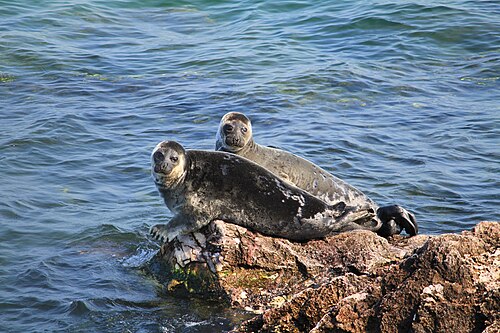
Baikal seal
Phocidae
Pusa sibirica · Least concern
Lake Baikal, in Siberia, is its whole world: the Baikal seal is one of the few seals that live only in fresh water. Its main food is the golomyanka, an oilfish found only there: the seals eat more than half of what the lake produces each year, some 64,000 tons.
Photo: Nina Zhavoronkova (CC BY-SA 4.0)
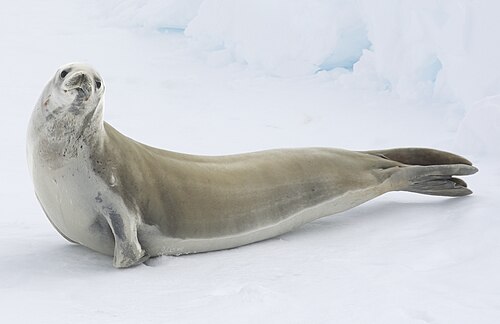
Crabeater seal
Phocidae
Lobodon carcinophaga · Least concern
Despite its name, the crabeater seal lives on Antarctic krill, which it strains from the water through finely lobed teeth that work like a sieve. That diet has made it by far the most abundant seal in the world, with at least 7 million and perhaps 75 million animals on the pack ice around Antarctica.
Photo: François Guerraz (CC BY-SA 3.0)
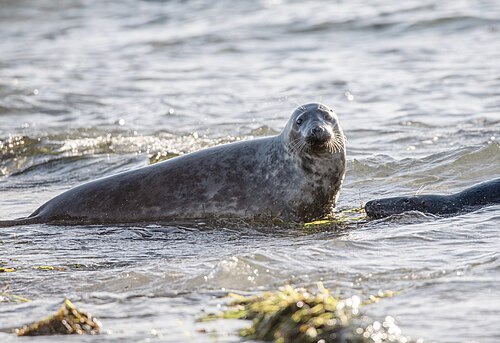
Grey seal
Phocidae
Halichoerus grypus · Least concern
In Latin, the grey seal's name, Halichoerus grypus, means "hook-nosed sea pig", and its large head also earns it the name horsehead seal. Western Atlantic bulls can reach 400 kg, and record males about 3.3 m. The largest populations live in Canada and the UK.
Photo: Lucc77 (CC BY-SA 4.0)


